



February 2025 WeedRead: Calcium—The Foundation of Soil Health and Productivity
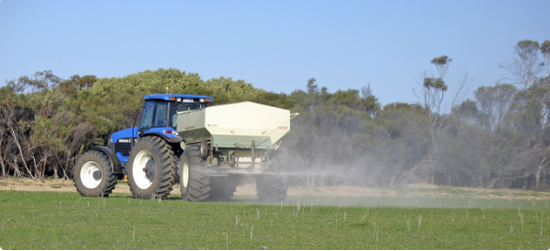
Calcium is one of the most important things to look at in your soil. What’s your calcium level in both PPM and percent base saturation? Calcium is essential for soil structure. You need good calcium to improve pore space, microbial life, air movement, and water infiltration. Calcium is also essential for nutrient uptake. Most nutrients come into the plant on the back of calcium.
However, most farmers and ranchers look at N-P-K. How much nitrogen, phosphorus, and potassium do I need in my soil? When they forget that the first thing they should be looking at on a soil test is calcium. If you have low soil PH, you will also have low calcium. The fix to that is lime, a source of calcium carbonate.
Now, keep in mind what crop you’re raising. If you want to raise blueberries, you want a pH of 5 to 5.5; corn or wheat, 6.3 to 6.7; and alfalfa or barley, 7 to 7.5. So, depending on your crops and soil tests, varying your applications is essential. In a complete soil test, calcium should make up 65-75% of the base saturation. Your pH will fall within that range if you fall somewhere in that range. This should give you enough soil porosity to be productive with whatever you raise. If you’re below 60% calcium, you need lime. If you’re above 78%, which is a high pH, we need to look at other effective, affordable methods to help you bring that calcium percentage down and mobilize nutrients. Please contact your local agronomist for more information on getting the most out of your dollars spent.
